
A Promising Alternative to Psychiatric Hospitalization
New Yorkers experiencing a mental health crisis are typically routed to emergency rooms or inpatient care—costly and often traumatizing options that offer few benefits beyond short-term stabilization. Peer-led crisis centers, popular in Europe, show stronger clinical results. With a Trust grant, Community Access opened NYC’s first peer-led crisis respite center, offering professional medication management and round-the-clock support from trained peer counselors and clinical providers. Our Rudolf and Anna Marie Vetter Memorial Fund (est. 1977), created to prevent suicide and support crisis intervention, helped make this grant possible.
Bolstering Social Work Training to Meet Growing Needs
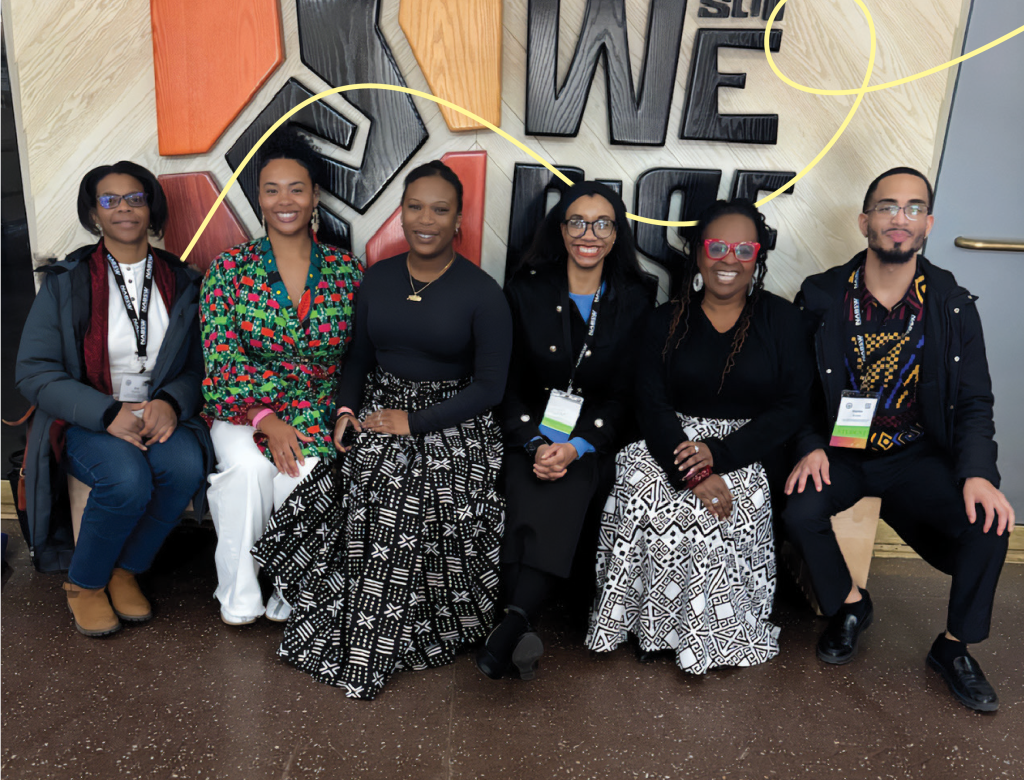
Social workers are critical to addressing the surge in mental health needs and economic difficulties facing New Yorkers. Yet many communities face a shortage of these professionals, while schools of social work grapple with increasing budget cuts. Thanks to donors who created funds to support this field, The Trust made $3.3 million in grants in June 2025 to five nonprofits that employ social workers and five universities that train them. The grants support partnerships and programs that prepare professionals to meet escalating needs and advocate for social justice within their communities.
Preserving Affordable Housing
Nonprofit community development corporations are the backbone of affordable housing in New York City, but rising maintenance costs and lagging rent payments are leaving these groups in dire financial straits. The Association for Neighborhood and Housing Development is using a Trust grant to help preserve and stabilize existing affordable housing units by analyzing financial risks facing nonprofit-owned buildings and developing policy recommendations to prevent evictions and maintain affordability. Our David and Mary Warfield Fund (est. 1973) made this grant possible.
Expanding Free Child Care
Child care costs are a key driver of New York’s affordability crisis. With a Trust grant, New Yorkers United for Child Care is mobilizing parents and engaging policymakers to advocate for free child care for all children under age 5. These efforts helped win commitments from Mayor Mamdani and Governor Hochul to launch free child care for 2-year-olds, starting with 2,000 seats that will open in New York City in the fall of 2026. The Lucy Wortham James Memorial (est. 1939), created for the good of the region, and Drexel Burnham Lambert Fund (est. 1995), created to support and educate children, youth, and families, made this grant possible.
New Center Tailors Dementia Care to Older South Asian Adults
Dementia affects more than 5 million Americans, but a shortage of bilingual providers and a lack of care that incorporates cultural practices and norms can prevent immigrant communities from getting quality treatment. With a Trust grant, India Home opened a day program in Queens for older South Asian adults with dementia that integrates clients’ cultures and languages into its services, which include meals, activities, and respite for caregivers. This grant was made possible by our Adel and Leffler Families’ Fund for Queens (est. 1993) and Katharine A. Park Fund for the Elderly (est. 1982).
Support for LGBTQ+ New Yorkers

LGBTQ+ young people and older adults face high rates of housing instability, mental health challenges, and barriers to health care and legal protections. In June 2025, The Trust made $1.6 million in grants to 10 nonprofits, including the Ali Forney Center, SAGE, and The Door, that are expanding advocacy programs for transgender and gender-nonconforming older adults and offering queer young people mental health care, transitional housing, know-your-rights trainings, and more.
Rapid Response for Long Island Immigrants
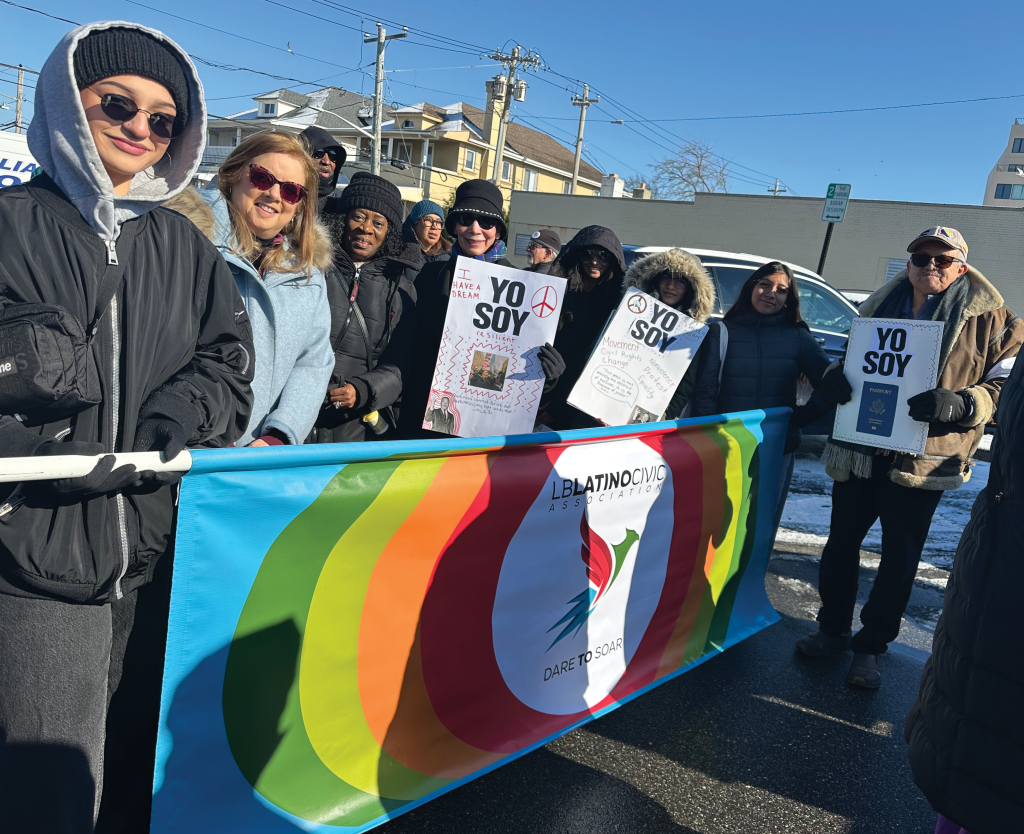
As Long Island’s immigrant communities face increasing ICE operations, growing mental health crises among young people, wage theft, and other challenges, local nonprofits are striving to meet emerging needs. Through our Emergency Response Fund for Long Island Immigrants, Trust grants helped 15 organizations—including CARECEN, Long Beach Latino Civic Association, and OLA of Eastern Long Island—expand emergency legal support and case management and strengthen partnerships among immigrant-serving nonprofits across the island.
An Ally for Hardworking Nonprofits
Staten Island’s 1,500 nonprofits receive less funding per capita than those in other boroughs, particularly for programs serving immigrants, children and families, and older adults. This long-standing strain on resources, amid growing needs, has stymied organizational development, workforce support, and advocacy. A Trust grant is helping Nonprofit Staten Island expand its tailored technical assistance and coaching services, strengthen leadership development, and advocate for equitable funding and policy priorities across the borough’s nonprofit sector. Our Francis Florio Fund (est. 1974) made this grant possible.
Strengthening Local Journalism in Westchester
Solid investigative journalism keeps readers informed and holds public officials accountable. Yet Westchester faces a growing gap in local reporting on how state policy affects communities throughout the county. With a Trust grant, the nonpartisan nonprofit newsroom New York Focus is expanding its regional investigative reporting by growing its team; producing in-depth stories on housing, education, and economic policy; and collaborating with local media outlets to maximize story reach and impact. Our Westchester Fund (est. 1975) made this grant possible.
Jazz Great’s Legacy Brings Music Lessons to Queens Kids
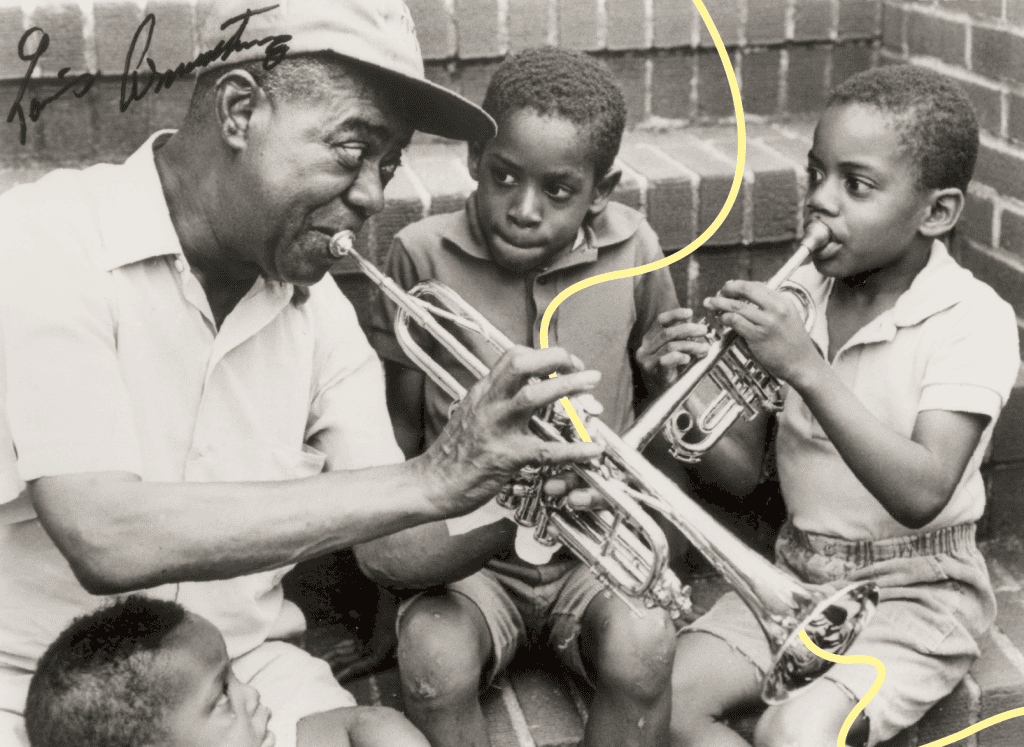
The Louis Armstrong House Museum is a creative incubator for artistic excellence and a community gathering space for families in the multicultural neighborhood of Corona, Queens, where access to music instruction in public schools ends in the early grades. With a Trust grant, the Museum is providing individual trumpet instruction, loaned instruments, and performance opportunities for neighborhood children ages 8 to 18. This grant is made possible by the Musical Arts Fund (est. 1939), which helps music students who need financial assistance.