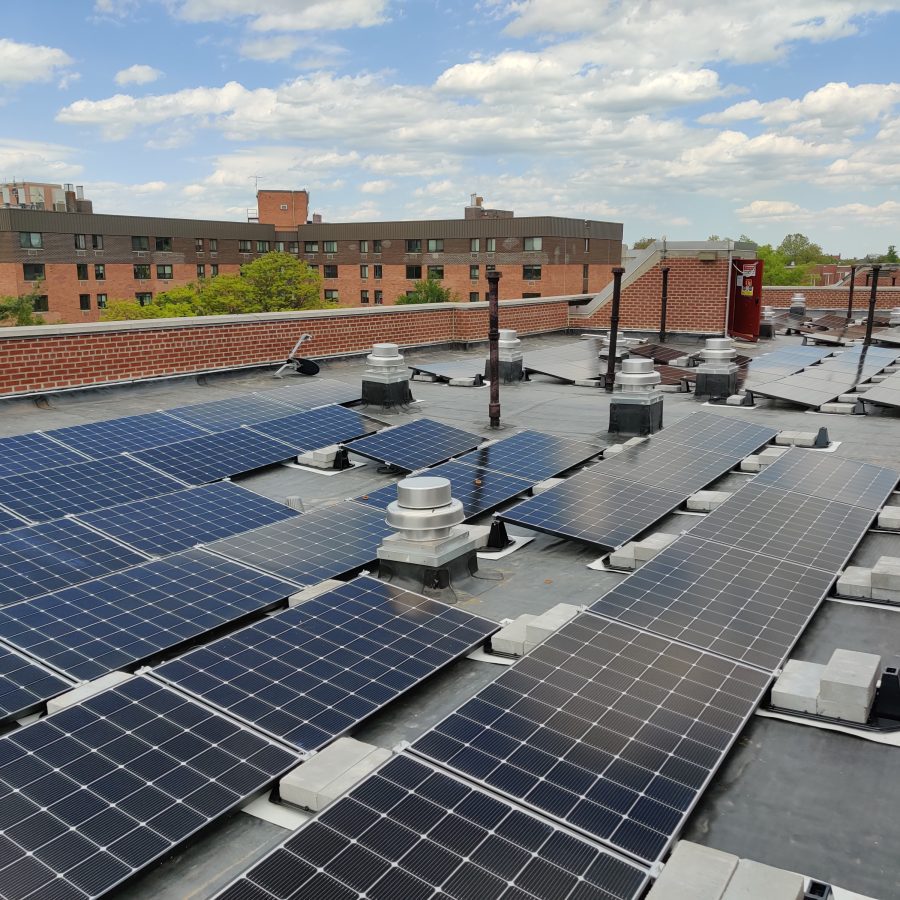
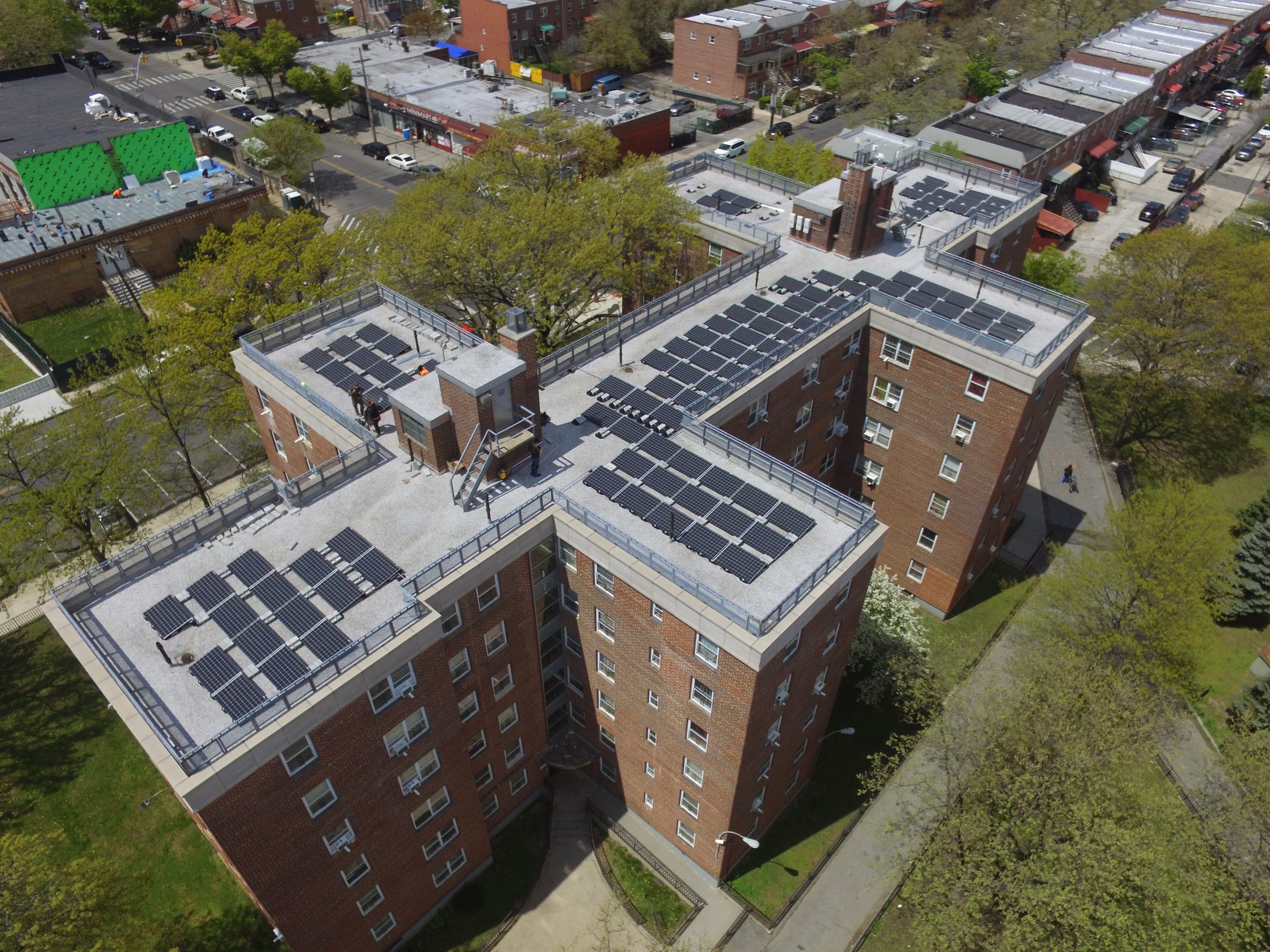
On rooftops across New York City, from co-ops in Queens to affordable housing in Brooklyn, solar panels are going up. For many lower-income residents and homeowners, it is the first time solar energy has felt like a practical option.
“When we originally started this, no one thought solar was a viable thing. It was a very niche idea—expensive, not cost-effective, and seen as a kind of hippie-fringe thing,” said Steve Levin, CEO of the Queens-based nonprofit Solar One.
Solar One was founded in 2004 to provide environmental education for underserved communities, including kindergarten through 12th grade STEM programs, green workforce training, and stewardship of New York City’s first native plant park, Stuyvesant Cove.
In 2014, the nonprofit launched Here Comes Solar to create affordable access to clean energy. Since then, the program has provided guidance and resources to building owners and community organizations for over 1,100 solar projects across the city. The Trust-funded program focuses on supporting low-income New Yorkers disproportionately affected by climate change.
“The communities that could be helped most by the lower energy costs and cleaner air that solar power can bring also face some of the toughest hurdles to accessing it,” said Arturo Garcia-Costas, The Trust’s environment program director. “This program helps balance longstanding environmental injustices with clean energy benefits.”
Here Comes Solar works with city agencies, affordable housing developers, and solar installers to help more New Yorkers participate in the expanding solar market. Its team helps clients understand incentives, prepare requests for proposals, compare bids from qualified installers, and move projects forward.
“At the outset of the program, costs were much higher, and it was more complicated to navigate city approvals and installers,” said Gretchen Bradley, Here Comes Solar’s managing director. “Our goal was to make that process easier so people would feel equipped to make the right solar choices for where they live.”
Today, the program is part of a community solar initiative spanning 141 NYCHA buildings across Brooklyn and Queens. As part of community solar programs in New York City, low- to moderate-income households can subscribe to shared solar projects and receive credits on their energy bills, opening access to households unable to install solar panels directly onto their own buildings.
The NYCHA program also connects residents with opportunities through Solar One’s Green Workforce program, which prepares participants for jobs installing solar projects, and community education on the benefits of solar power through hands-on STEM activities for kids, in collaboration with Solar One’s Green Design Lab.
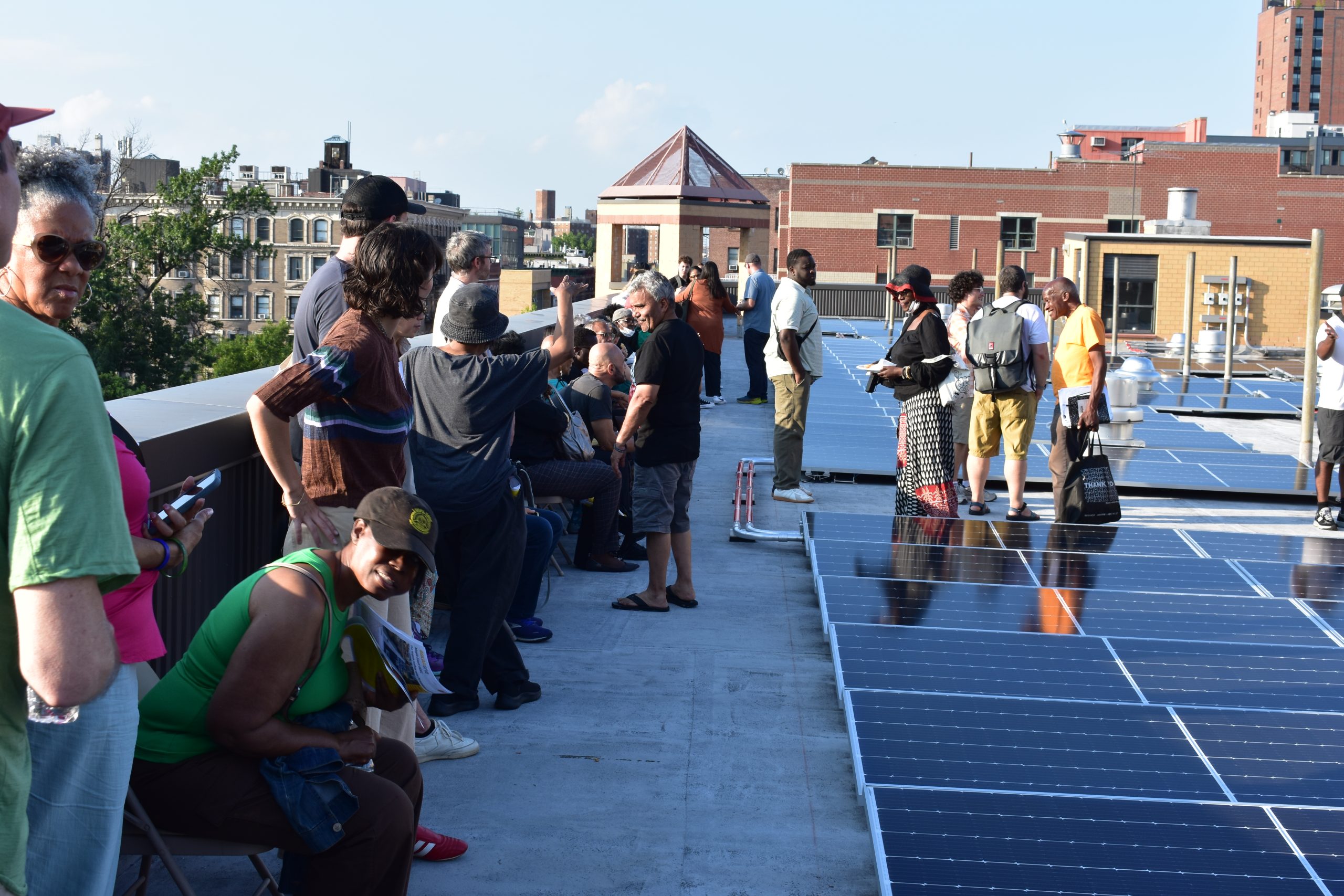
As federal, state, and local clean-energy incentives and funding programs change, Here Comes Solar continues to evolve. Solar One is exploring more ways to help buildings use less energy and reduce utility costs, including energy storage, which can capture solar power for future use during outages or periods of high demand.
“The program has grown over time to meet the needs of wherever public policy is pointing,” said Levin. “We are actively managing how we diversify our initiatives within Here Comes Solar in response to those shifts.”
Our support for the program over four years has been fueled by 12 funds at The Trust with purposes that extend beyond environmental protection. Our LuEsther T. Mertz Fund and Henry Phillip Kraft Family Memorial Fund support the program’s clean-energy and conservation goals, while our DeWitt Wallace Fund for Youth helps advance workforce development opportunities for young people. Additional support comes from funds donors like David and Mary Warfield established to benefit our region.
“This diversity of funding sources reflects the program’s multifaceted approach and honors our donors’ legacies by helping create a more equitable region for future generations of New Yorkers,” Garcia-Costas said.